
La Pitta della Madonna
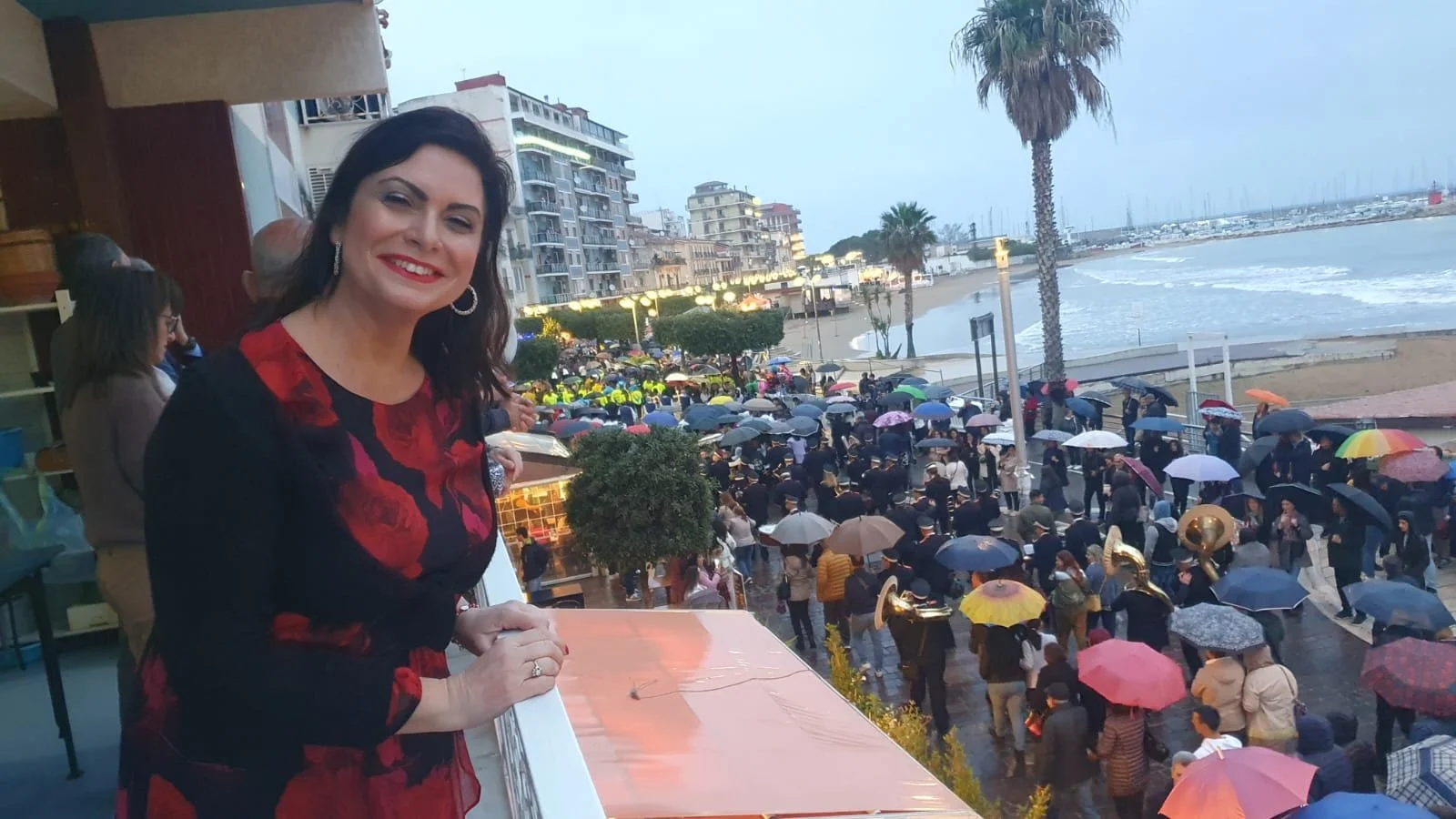
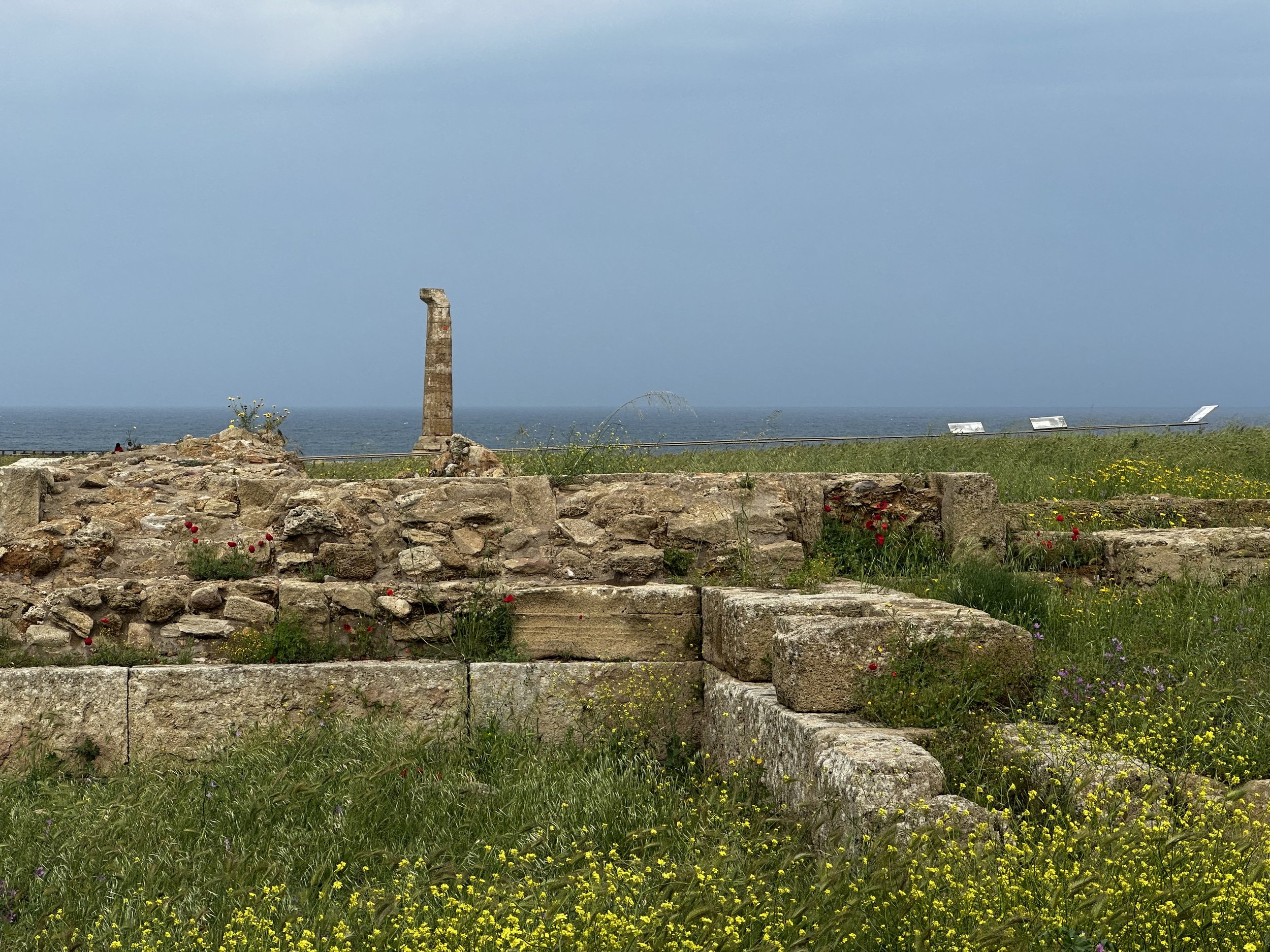
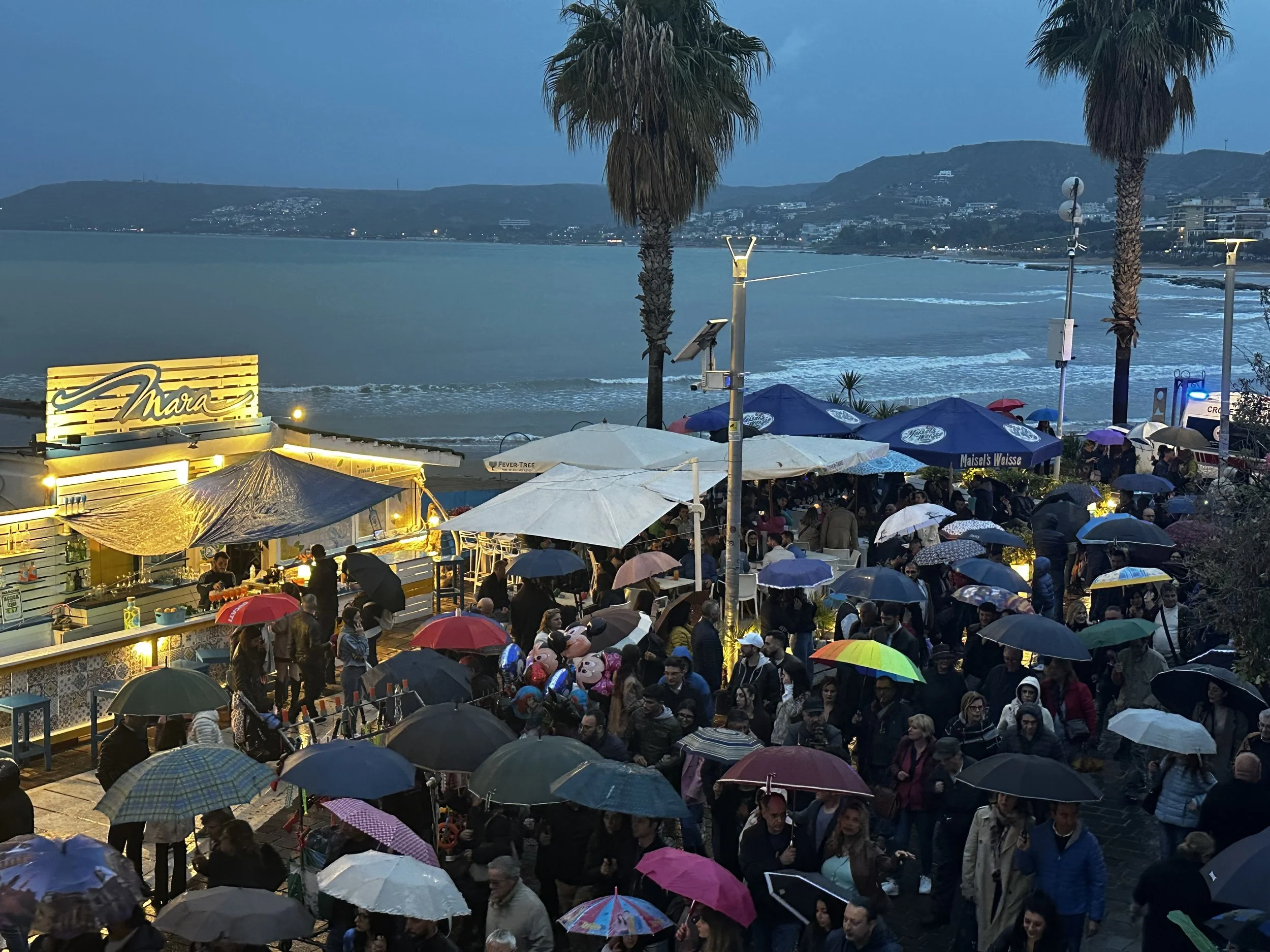
One of the greatest features of traditional recipes is the power that they have to transport us through space and time to the places where we first tasted them. This weekend, and this evening, to be precise, my father’s ancestral hometown of Crotone, Calabria, is hosting the Festa della Madonna, a month-long series of activities dedicated to the Madonna of Capo Colonna. Each year there is a procession to the Madonna’s namesake church at Capo Colonna on the Ionian Sea which stands next to the column remaining from the ancient Temple of Hera. In this location one can honor both of our female protectors, both of whom have been praised for millennia.
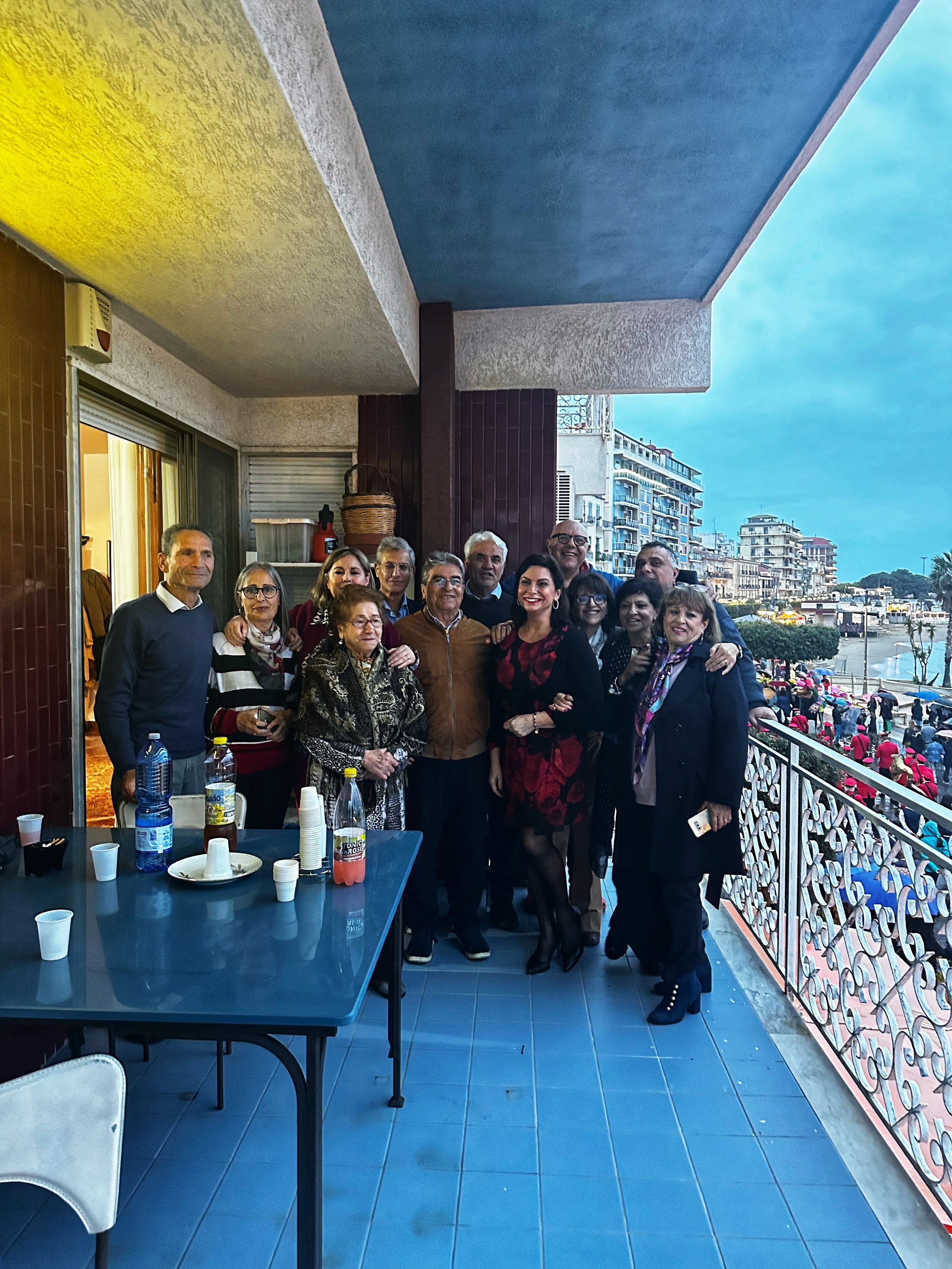
I so wish that I could be there celebrating with my family, as I have in past years, but this year it wasn’t possible, so I’m writing this post as a means to soothe my nostalgia and spread the word about this beautiful land and magical night. The one recipe that is most attributed to the Madonna and the month of May in Calabria is the Pitta, and I hope that it will bring you as much joy as it brings us.
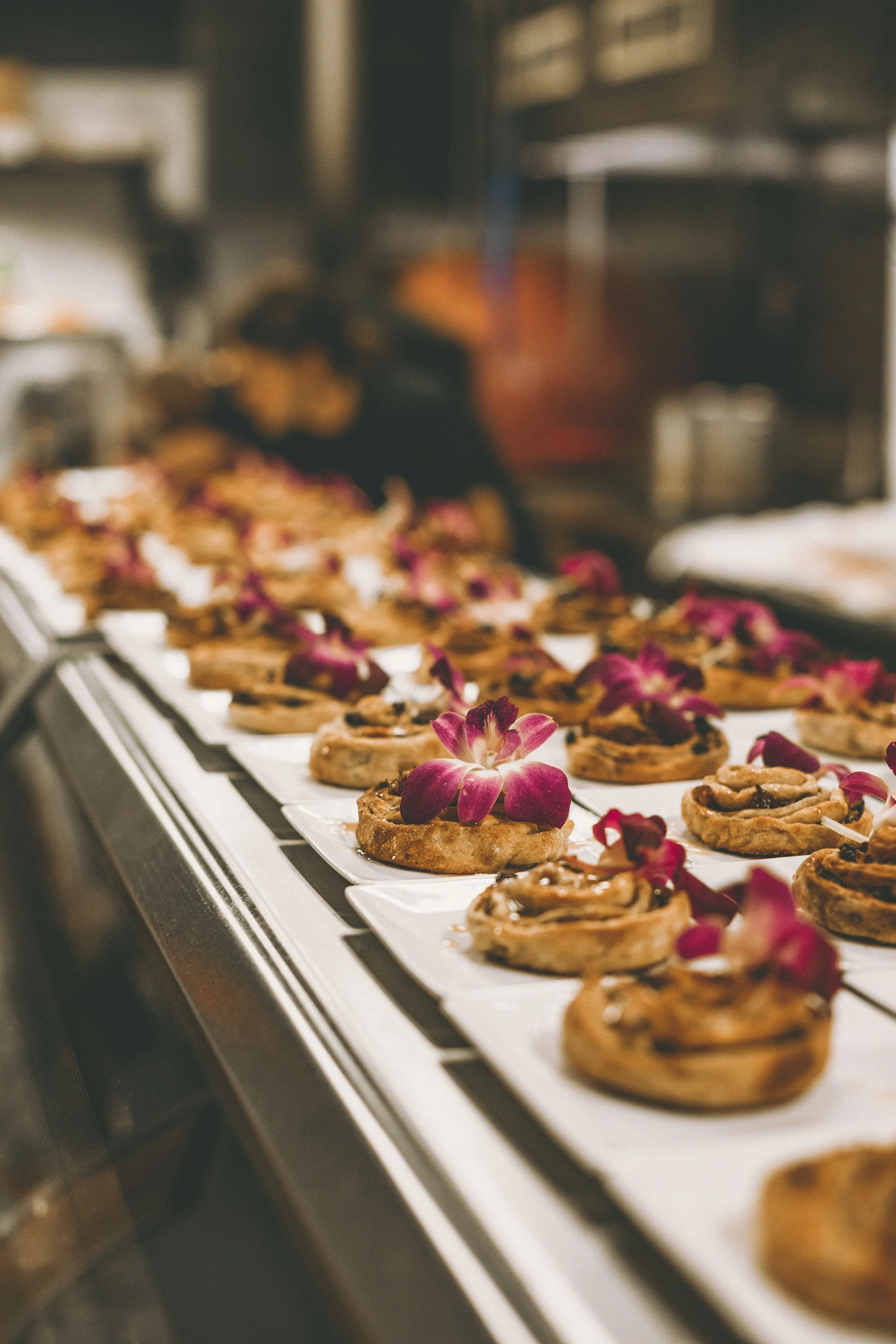
The Pitta, which resembles a thick strudel-type pastry, is probably Calabria, Italy’s most iconic desserts, and one that I enjoy making and serving at my events and enjoying with my family and friends in Italy. It consists of a pastry bottom which is topped with several pastry “rosettes” each one filled with nuts and almonds and covered with sweet syrup. It’s called Pitta “Mpagliata in some places such as San Giovanni in Fiore, Pitta ‘nchiusa in Crotone and others, and Pitta Chiena (which means filled Pitta in dialect) in other areas of the region. The etymology of the word “Pitta” doesn’t come from pita bread, as it might seen, but from the Greek word picta meaning painted or decorated. In antiquity, Calabria was part of Magna Grecia or “Greater Greece.” The Greeks settled in this area because it was an ancient, promised land for them with an already bustling civilization, fertile land, and established trade routes.
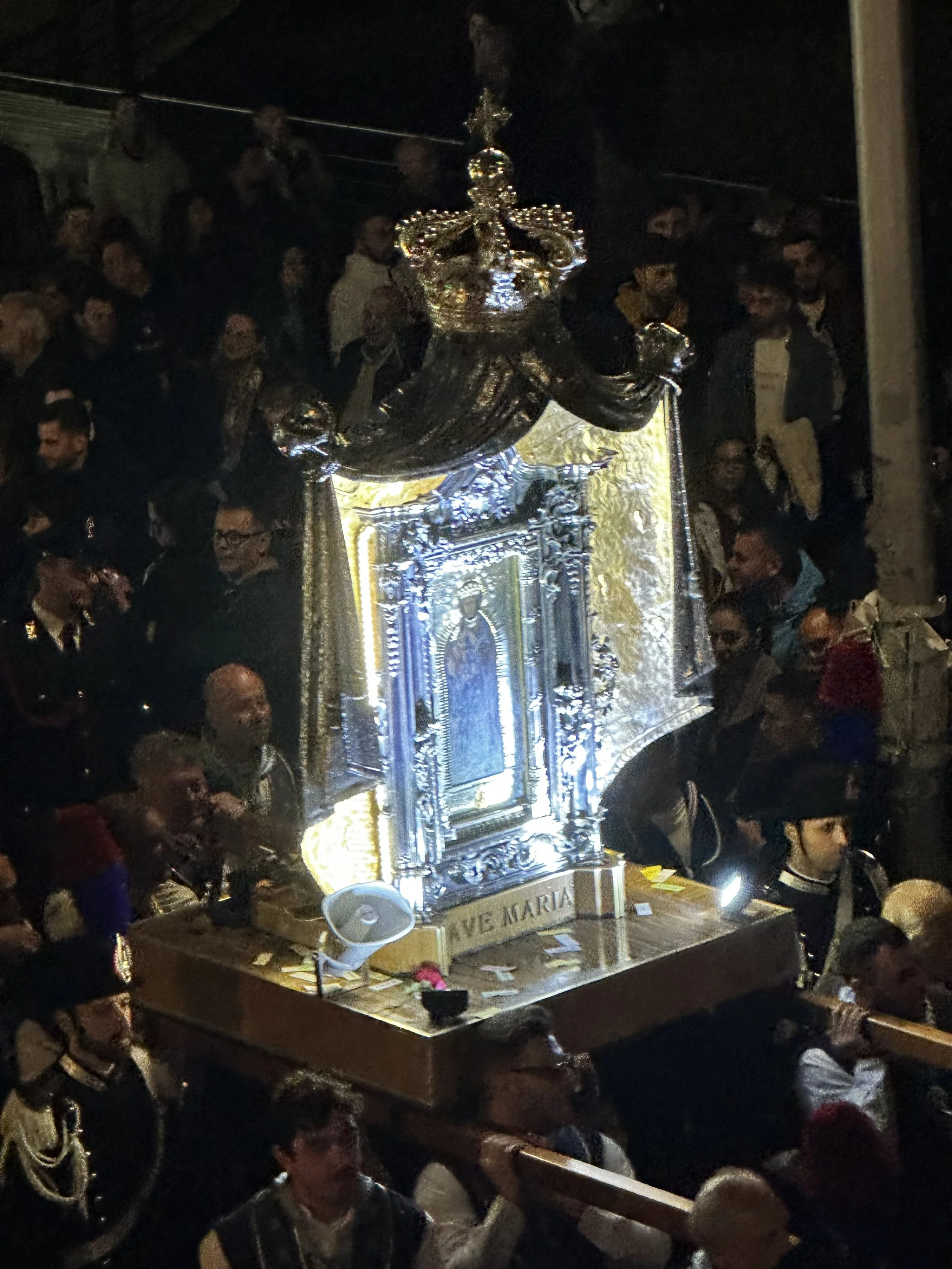
Legend says that this recipe was created as an offering to the goddess Aphrodite for her role in protecting a love story. There is a legend about Diodorus, who was a young warrior who loved Diomira, yet was locked up in Athena’s dungeon because he didn’t accept her advances. To save Diodorus, Aphrodite turned Diomira into a snail which enabled her to liberate him from Athena’s prison. It is said that Diodorus and Diomira invented the Pitta to thank Aphrodite.
This dessert includes some of the region’s most prized ingredients - Calabrian honey, wine, and extra-virgin olive oil to make a unique and textured dough which conceals the goodness that was worthy of Aphrodite herself.
Serves: 8
Ingredients
DOUGH
¼ cup sweet white wine
¼ cup plus 1 teaspoon Amy Riolo Selections, or other good quality EVOO
¼ cup sugar
1 teaspoon vanilla extract
2 Tablespoons Anisette or Sambuca
2 large eggs divided
2 cups unbleached, all-purpose flour, plus more for dusting
2 teaspoons baking powder
FILLING
1 cup walnuts
¼ cup blanched almonds
½ cup raisins
zest of 1 orange
2 Tablespoons honey
½ teaspoon ground cinnamon
½ teaspoon ground cloves
To Finish:
• 1 cup natural, raw honey
Preparation:
To make the dough:
In the bowl of a stand mixer fitted with the paddle attachment, combine the wine, olive oil, sugar, vanilla and Anisette. Mix on low speed until combined. Add 1 of the eggs. Mix on low to medium speed until combined.
Add the flour and baking powder and continue mixing until a dough forms.
Lightly flour a work surface and place the dough onto it. Flour your hands and knead the dough for 2 to 3 minutes. Cover the dough with a clean kitchen towel while you prepare the filling.
To make the filling:
In a food processor, add the walnuts, almonds, raisins, orange zest, honey, cinnamon, and cloves. Pulse on and off until a nuts and raisins are chopped but not quite a homogenous consistency. Transfer to a bowl.
To assemble: Preheat the oven to 350F. Use the remaining teaspoon of olive oil to grease a 9-inch pie plate. On a lightly floured surface use a rolling pin, to roll one-third of the dough into a 10-inch circle about ⅛ inch thick. Roll the dough onto rolling pin and transfer it to the pie plate. Trim any excess dough to the height of the pie plate. (Note that in the photo I’ve made individual pitta rosettes and not combined them together in the pie plate, which is another way of serving them.
Re-flour the worksurface and a rolling pin and roll the remaining dough out until it’s ⅛ inch thick. Using a fluted edge pastry cutter or ravioli cutter, cut approximately 8 strips of dough about 3 inches wide and 14 to 16 inches long. Spread equal amounts of the filing along each strip and roll them up into into a rosette. Place the first rosette in the middle of the crust. Repeat the process, placing each additional rosette around the first one.
Combine the remaining egg with a teaspoon of water in a small bowl and whisk until frothy. Brush the entire pastry with it. Bake for 40-45 minutes, until golden brown.
In a small saucepan over medium heat, combine the honey and water. Heat until liquid. When the Pitta is finished baking, immediately brush the it with the honey and serve at room temperature. Enjoy and buona festa della Madonna a tutti!